
Costumes in Chinese Historical Dramas Are Also a Language of Identity
Wide sleeves, belts, and headdresses do more than make a character look beautiful. They can explain that character’s situation before a word is spoken.
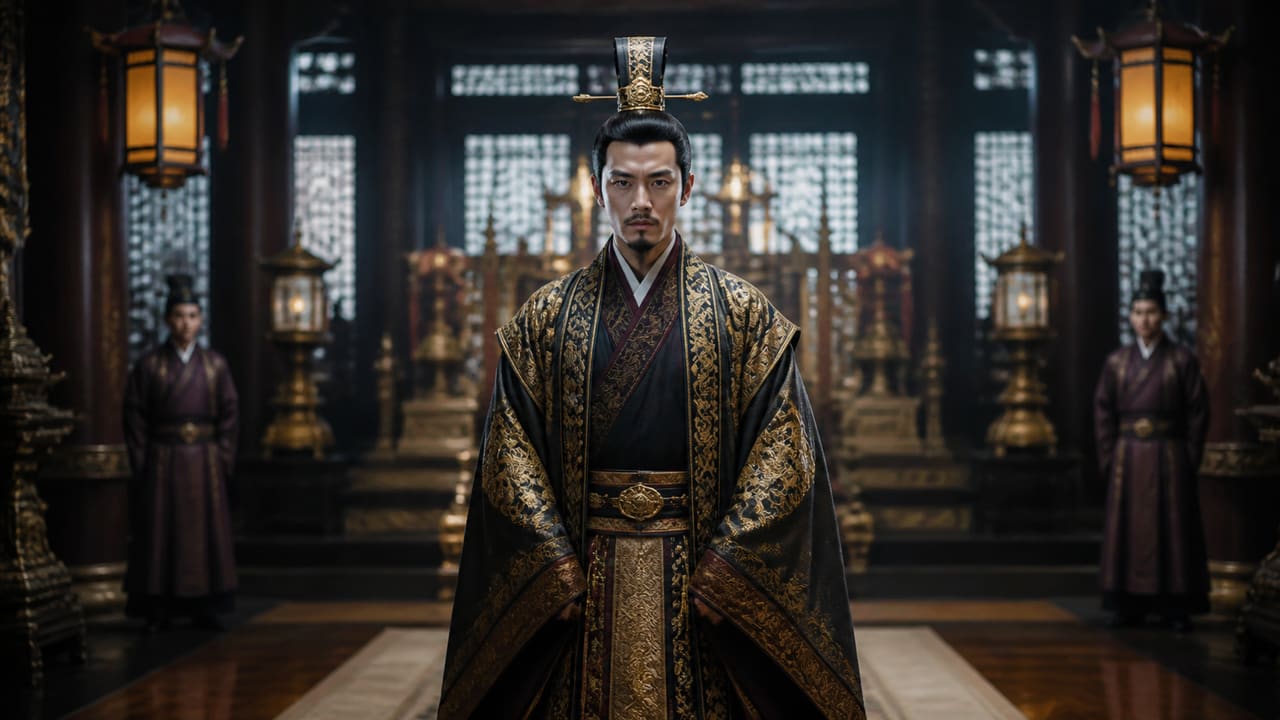
In a Chinese historical drama, viewers may be able to guess who belongs to the imperial family, who is an official, and who has just lost power before they remember every character. The camera lingers on belts, headdresses, fabrics, and patterns because in ancient China, what a person wore was not purely a matter of personal taste.
Clothing was once part of the ritual system. Identity, rank, occasion, and dynasty all limited the colors, styles, and accessories a person could wear. Historical dramas borrow this visual language, but they also reshape it for characters and images. “Beautiful costumes, makeup, and props” do not mean that every stitch can be treated as historical evidence.
Ancient Clothing First Had to Answer “Who Are You?”
Modern people also change clothes for weddings, funerals, or formal meetings. Ancient China regulated these differences between occasions in much more detail. Court audiences, rituals, everyday office work, and domestic life could call for different clothing, and emperors, officials, and commoners had different choices.
Colors did not have the same meaning in every dynasty. A color could represent high status in one period, then be governed by a different system later. An official’s rank could also be distinguished by robes, belts, or patterns. The birds and animals on Ming and Qing official robes, for example, often indicated civil or military categories and rank.
So when a character in a historical drama suddenly changes into formal court dress, the occasion and power relationship have probably changed. Clothing is not background decoration; it is a system worn on the body.
Why Are Wide Robes and Long Sleeves So Suited to the Camera?
Historical clothing was not always floor-length, flowing, or layered. Ordinary Chinese people had to work, soldiers had to move, and everyday clothes were generally more practical than ceremonial dress. Film and television favor wide sleeves, flowing scarves, and long skirts because they create visual effects while walking, turning, or moving in the wind.
The camera also magnifies differences between opposing groups. A protagonist may use clearer, more restrained colors; a figure at the center of power may wear heavier clothes; a lively character may have a lighter silhouette. These choices serve the story and do not necessarily come from an actual system.
Viewers influence costumes too. Social media users discuss hairstyles, fabrics, and jewelry frame by frame, so production teams pay more attention to recognizable period styles. Detailed research can build credibility and also become a marketing point.
“Looking Like a Dynasty” Does Not Mean Full Reconstruction
Research into ancient clothing depends on excavated objects, murals, sculptures, paintings, and written records. The evidence is often incomplete, and clothing varied among regions, classes, and groups even within one period. When recreating it today, researchers still have to judge fabric thickness, dye effects, and how garments were worn.
Television also faces practical limits. Historically accurate tailoring may not match modern audiences’ ideas of beauty; lighting changes colors, filming schedules require durable clothing, and leading actors need to stand out among many characters. The result is usually “screen design based on historical material,” not a museum replica.
What Can You Notice When Looking at Costumes?
Start with the occasion: is the character in court, at home, on a battlefield, or at a wedding? Then look for changes: after the same person is promoted, falls from favor, or travels far away, do their clothes become lighter, more worn, or lose some accessories? Finally, look at the dynasty’s features, but do not reach a conclusion from a single popular comparison chart online.
Be especially careful with oversimplifications such as “yellow always belonged to the emperor” or “ordinary people could wear only gray.” Ancient China covered a very long period, and institutions changed repeatedly. Dyes, wealth, and local customs also affected what people actually wore.
Characters in Chinese historical dramas look so carefully dressed because costumes do three jobs at once: establish the historical setting, mark social identity, and help viewers understand the character. They may be close to historical evidence or deliberately depart from it. The best question is not simply whether they are “true,” but what comes from institutions, what comes from evidence, and what the director wants viewers to understand at a glance.
https://www.youtube.com/watch?v=5nGQDFIYFpg
References
- Chinese Costumes Through the Dynasties: History Worn on the Body (Chinese International Chinese Language Education Foundation, 2024) - The Politics and Culture Behind Ancient Officials’ Clothing (People’s Tribune, 2025) - Clothing and Headdresses: The Identity “Markers” of Dynasties (China News Service)

Peng Jinsui
I explore Chinese society, culture, travel, business, and language learning while studying Spanish and experimenting with AI and interactive products. I’m also open to helping people and organizations overseas better understand China, connect with local resources, and address practical needs.
Peng Jinsui