
Who Pays at a Chinese Dinner—and Should You Fight for the Bill?
The noisy contest over a restaurant bill rarely decides who pays. Most of the time, everyone already knows.
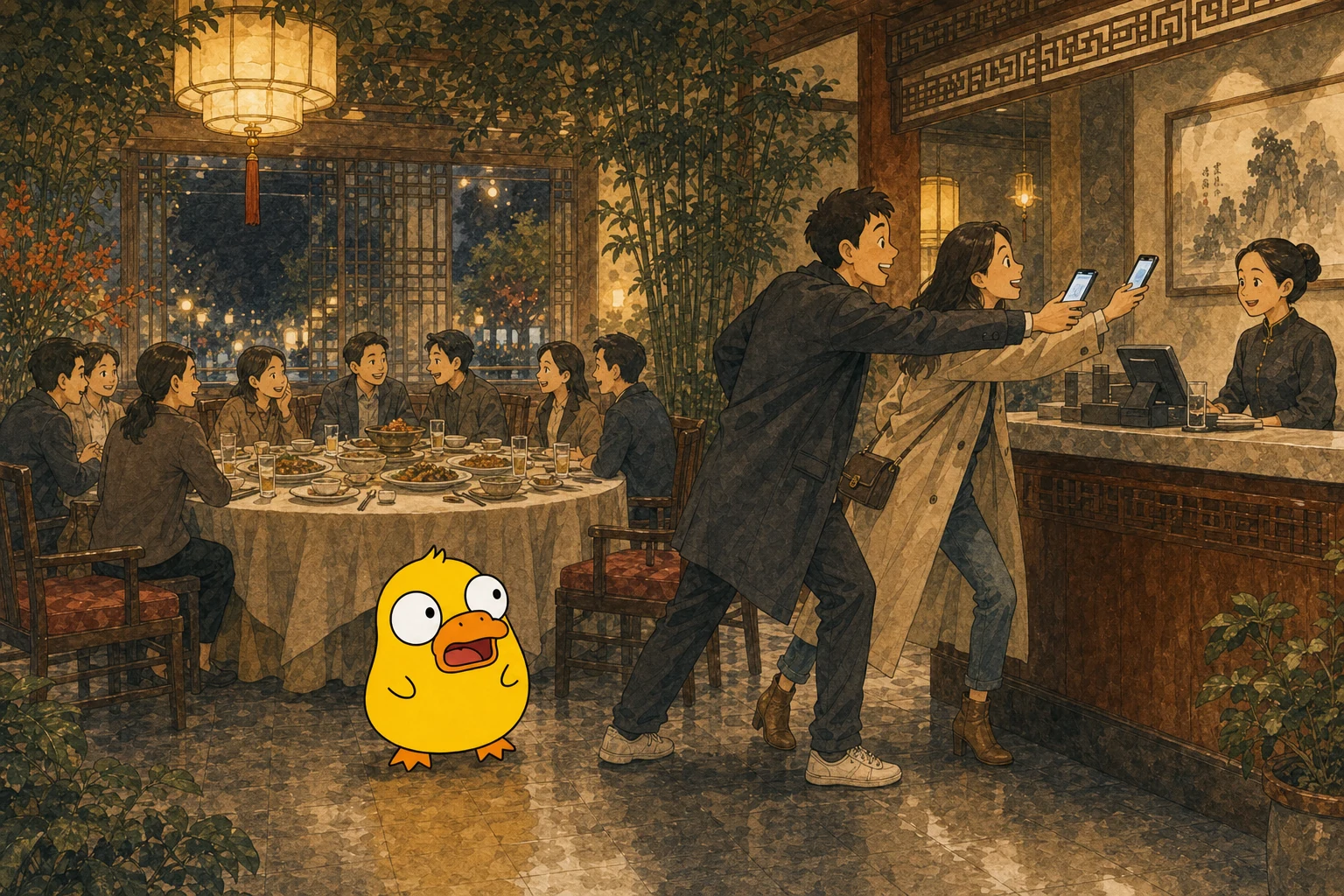
You may have seen it at a Chinese restaurant.
Dinner ends. Someone reaches for the bill. Another person stops them. Voices rise, hands move toward the check, and one guest may suddenly reveal that they quietly paid ten minutes ago.
It looks like a contest to decide who pays.
Usually, it is not. Most of the time, everyone already knows.
The answer often comes before the bill
Close family members may not fight at all. They already have a rhythm: the organizer pays, siblings take turns, or the family expects a working adult with a steady income—traditionally often a man—to cover the meal.
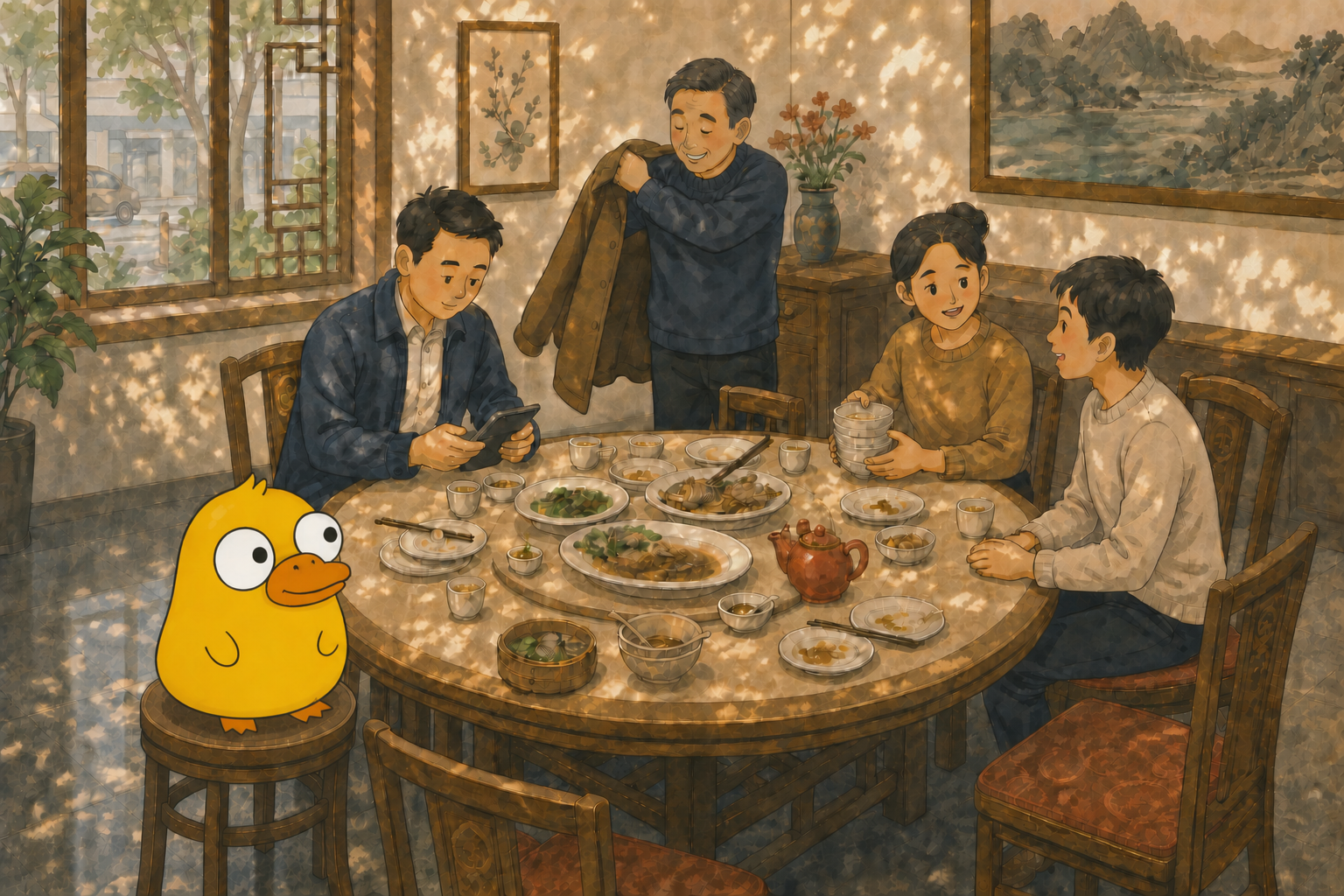
The performance is more common when a relationship is less relaxed or more unequal: newer friends, work partners, clients and suppliers, or people who still need to show mutual respect.
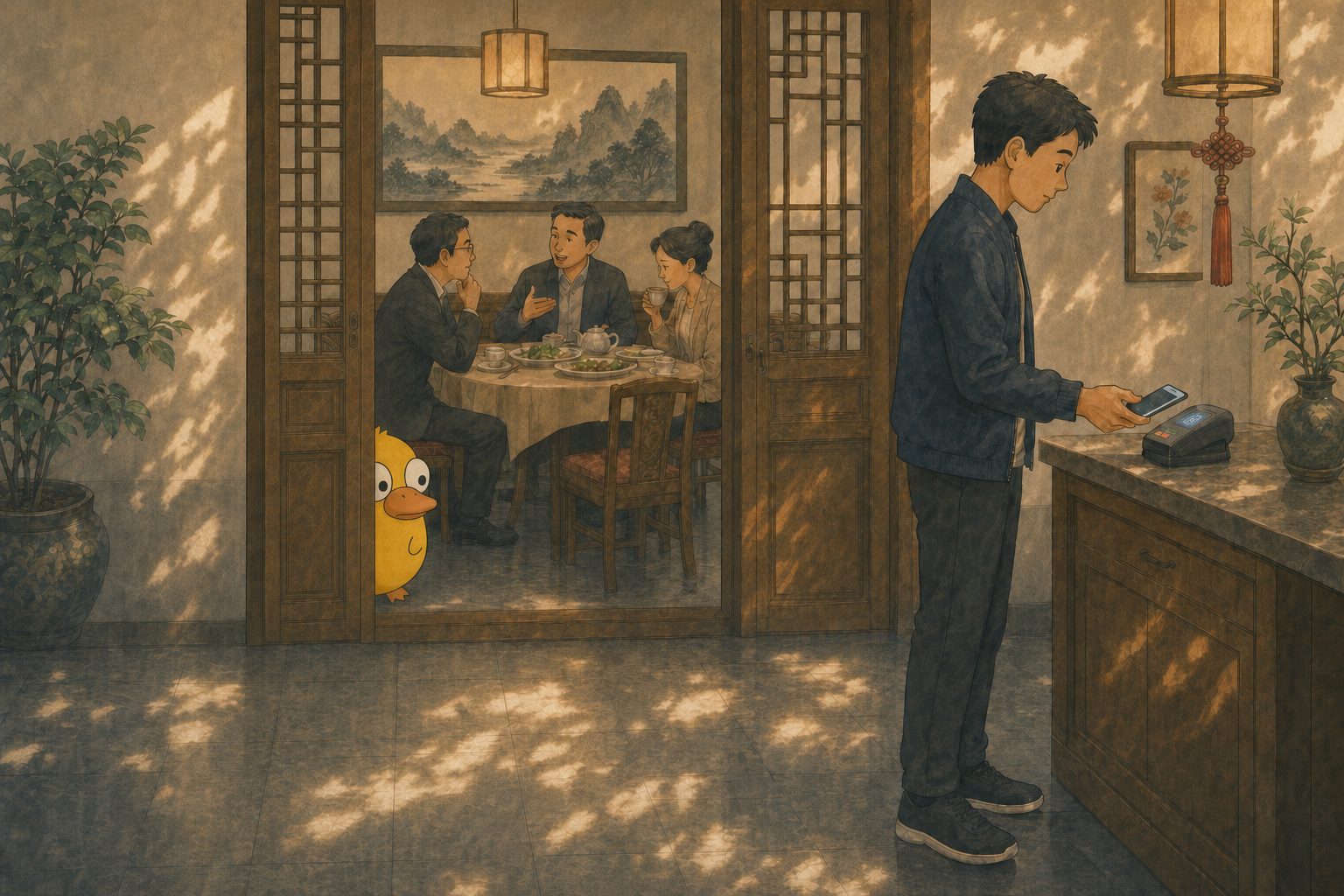
At a business dinner, the person who wants to pay may not wait for the bill. A boss might ask a trusted colleague to leave the table early, or arrange payment with the cashier as soon as they arrive.
By the time everyone begins arguing, the outcome may already be settled.
Then why argue?
Because paying can mean more than paying. It may express gratitude, respect, goodwill or a favor offered within the relationship.
The person asking for help, showing respect, or holding less power may feel the strongest need to pay. The other person’s attempt to stop them says something too:
I understand what you are offering. I respect you, and I am not taking this meal for granted.
The visible struggle confirms an invisible agreement.
That does not mean every dramatic bill fight is sincere or enjoyable. Sometimes it is mostly theatre. Sometimes nobody coordinated properly and the scene gets bigger than expected. But making a brief offer is often the safest social move, even when everyone knows who will win.
People still keep track
The account between friends is rarely exact, but it usually exists.
One person pays today; another gets the next meal. Someone who often treats may receive help or hospitality elsewhere. If the same person always pays, there is probably another part of the relationship balancing it—or eventually, someone may feel used.
The point is not to repay every yuan. It is to avoid letting a relationship become quietly one-sided.
Younger friends are changing the rules
Many younger Chinese people are much more relaxed about the bill.
Friends may split it, let one person pay and send a group payment request, or take turns with smaller meals while sharing expensive ones. The feeling is often: do not calculate friendship so precisely that it becomes cold, but do not be so vague that someone is repeatedly taken advantage of.
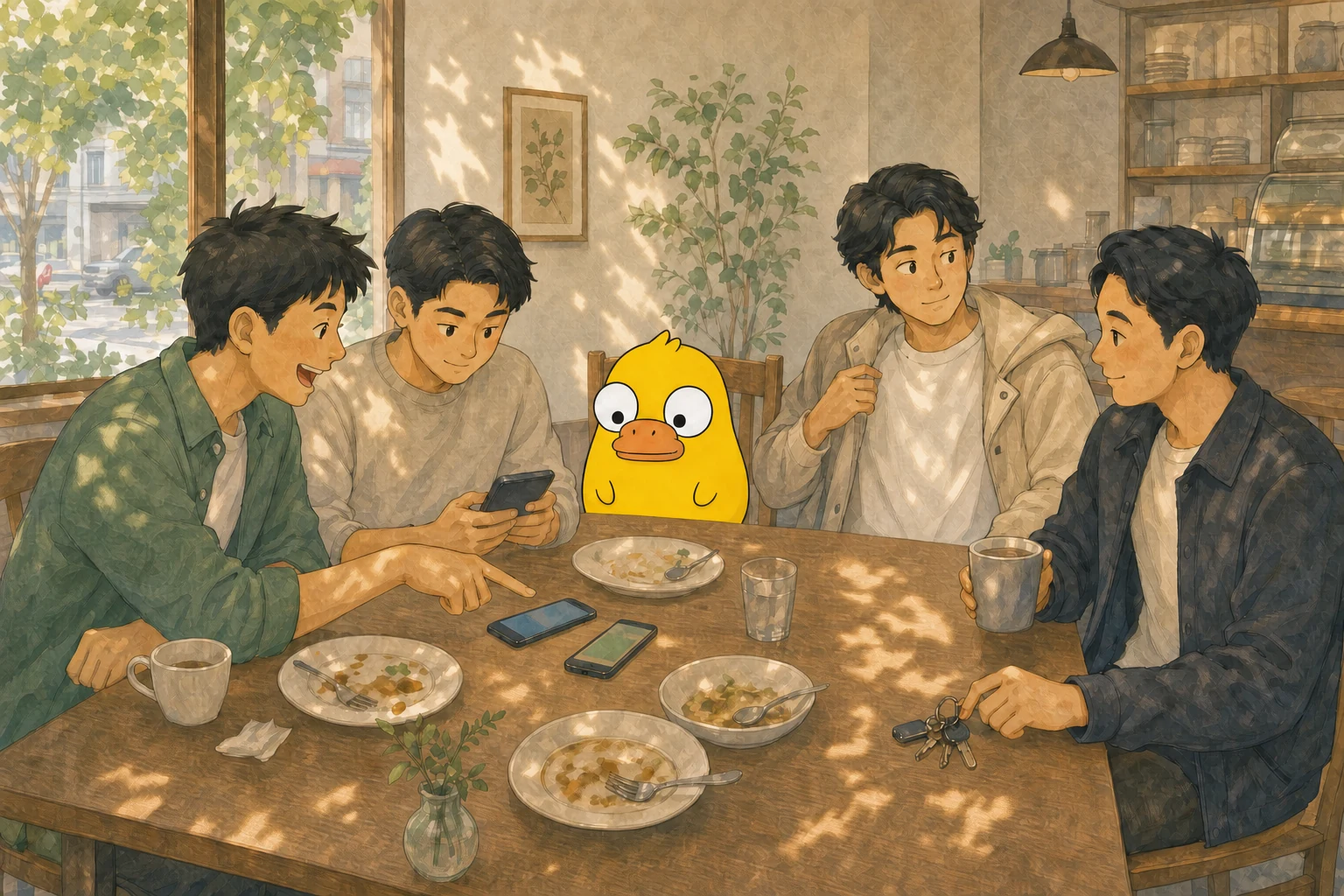
Younger people may respect an older generation’s habits while trying to separate dinner from obligation. They can find the traditional performance just as awkward as a foreign guest does.
Chinese people do not all enjoy fighting over the bill. Sometimes it is generosity. Sometimes it is inherited pressure. Often, it is a little of both.
What should a foreign guest do?
Do not panic. Most Chinese hosts will not expect you to perform every local ritual perfectly.
If you are unsure, ask the person you know best: “Should I offer to pay this time?” Better still, ask why. A few real dinners will teach you more than a fixed list of rules.
You can make one sincere offer. If someone clearly insists, let them pay and offer to get the next meal. If you strongly prefer to split the bill, say so directly. Older diners may resist, but many younger people will accept it naturally.
And if an unusually large battle breaks out? The invisible agreement may have failed. Welcome to China—sit back and enjoy the drama. You have found a cultural scene most visitors would never know how to request.
Understanding a custom does not mean forcing yourself into an uncomfortable performance. If you do not understand, ask. If you want to split, say so. A thoughtful question is usually more respectful than a perfect imitation of a rule you do not understand.
After a few Chinese dinners, you may begin to notice: the bill does not tell you only who paid. It also tells you how everyone at the table understands their relationship.
Where you come from, do friends split the bill, take turns, or fight to treat everyone?

Tatia Liu
The yellow duck capturing ordinary moments of Chinese daily life through writings and illustrations.
Tatia Liu