
Why Are Chinese People Used to Drinking Hot Water?
A cup of warm water looks ordinary. In China, it also carries memories of public-health campaigns, family care, and everyday routines shared across generations.
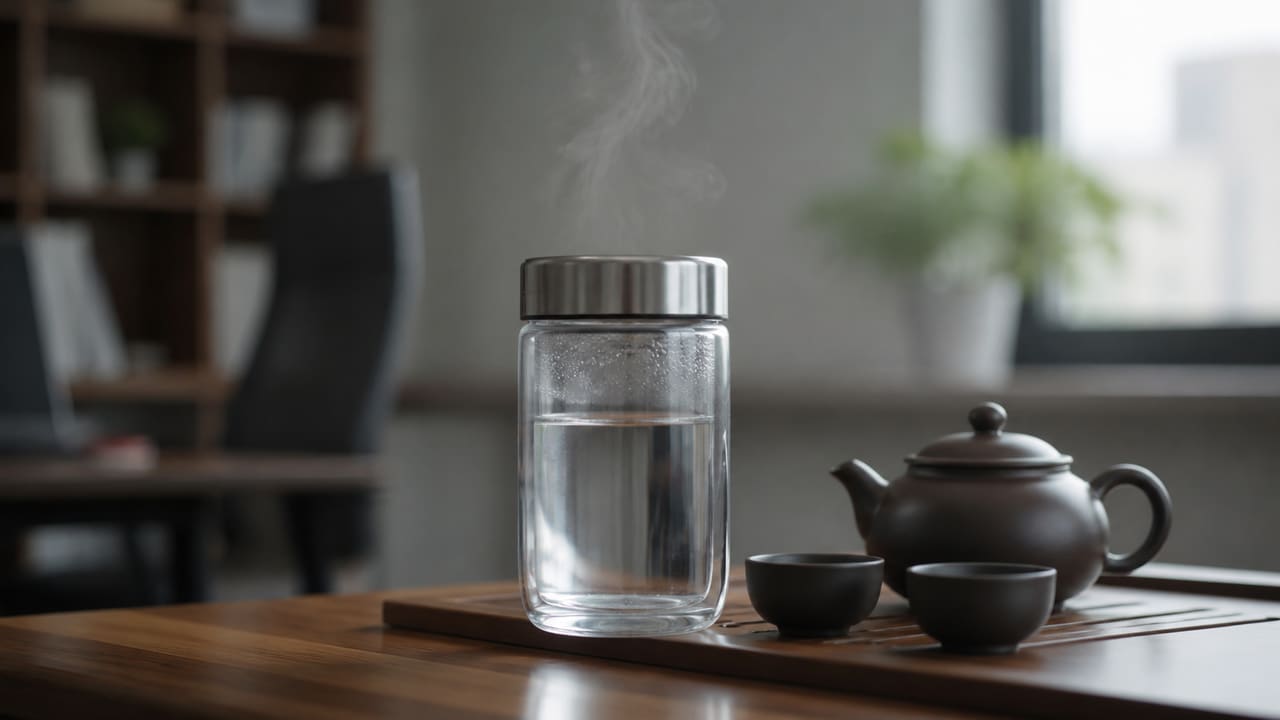
In a Chinese restaurant, a server may first bring a pot of hot tea; in an office, insulated cups are used by people throughout the year; when someone at home feels unwell, an older relative often says, “Drink some hot water.” For foreigners accustomed to iced water, this preference is easy to explain as a mysterious health practice.
The real reasons are less mysterious. The widespread habit of drinking hot water in China is the result of drinking-water hygiene, public-health campaigns, tea culture, and family habits accumulating over time. It is not a tradition that everyone could enjoy since ancient times, nor is it a choice shared by every Chinese person.
Ancient Hot Tea Does Not Mean Everyone Drank Hot Water
China has a long history of tea drinking, so boiling water to make tea appeared early as well. But when fuel was expensive and water was difficult to collect, ordinary families did not keep a fire burning just to have hot water available. Regularly drinking hot tea was often connected to teahouses in cities, household resources, and free time.
So it is inaccurate to say that all Chinese people have drunk hot water since ancient times. Many ordinary Chinese people in the past drank untreated or cool water. Hot tea is one cultural clue, but it is not enough to explain the boiled-water supply visible almost everywhere today.
What truly changed everyday habits was modern public health. As knowledge of bacteria spread, boiling water became an obvious way to reduce the risk of waterborne disease. In the mid-twentieth century, health campaigns repeatedly emphasized, “Do not drink raw water; drink boiled water.” Factories, schools, stations, and workplaces gradually began providing hot water. Once thermos flasks entered more homes, boiling a pot and keeping it for half a day became easy.
Hot Water Later Became a Language of Care
Once a public-health habit entered the home, it gradually acquired emotional meaning. Parents tell children to carry a water bottle, partners remind each other to drink warm water, and a colleague who is ill may be handed a cup of hot water. The point is not necessarily a medical judgment, but “I am looking after you.”
This also explains why “drink more hot water” can sound both sincere and easy to mock. It is suitable for expressing care, but it cannot solve every problem. Headaches, fever, or persistent discomfort require an assessment of the cause; hot water is not medicine. When young Chinese people joke about the phrase, they are often criticizing care that feels too effortless, not denying that drinking water can be useful.
Why Do Some People Avoid Iced Water Even in Summer?
People who have long drunk warm water can develop a taste preference. Even when drinking water is safe, iced water may feel harsh, especially with a hot meal, an upset stomach, or cold weather. This is mostly about habit and bodily sensation; it does not mean Chinese people have different physical structures from everyone else.
There is no single choice within China either. Young people buy iced coffee and iced milk tea, and ice jelly and cold drinks are popular at Sichuan hotpot restaurants. Preferences vary by region, season, and individual. The water temperature offered by a restaurant can also differ. If you want iced or room-temperature water, simply ask.
Why Are Insulated Cups So Common?
An insulated cup brought an old habit into modern commuting life. Chinese people can brew tea or fill a cup with warm water at home and take it to the office, school, or a high-speed train; many public places also provide boiling water. The cup may contain plain water, coffee, or a simple herbal drink rather than tea.
Foreign visitors who see Chinese people carrying insulated cups do not need to interpret them as part of a complicated health philosophy. For many Chinese people, it is simply a convenient and dependable everyday preparation, like carrying an umbrella or tissues.
The reasons Chinese people like hot water are both historical and practical: boiling water was safer in the past, supply facilities and insulated containers later stabilized the habit, and family care gave it emotional meaning. Today’s cup of hot water may not cure an illness, but it does contain the everyday experience of several generations.
References
- The History of Chinese People Drinking Hot Water (Guangming Daily Digest) - Telling the World the Story of China’s “Hot Water” (China Daily, 2024) - Sun Yixue: Telling the World the Story of China’s “Hot Water” (Tongji University News)

Peng Jinsui
I explore Chinese society, culture, travel, business, and language learning while studying Spanish and experimenting with AI and interactive products. I’m also open to helping people and organizations overseas better understand China, connect with local resources, and address practical needs.
Peng Jinsui