
Why Can Chinese Micro-Dramas Keep Overseas Audiences Watching Episode after Episode?
An episode may last only a minute or two, but rapid conflict, reversals, and paid cliffhangers can carry a story across dozens of episodes.
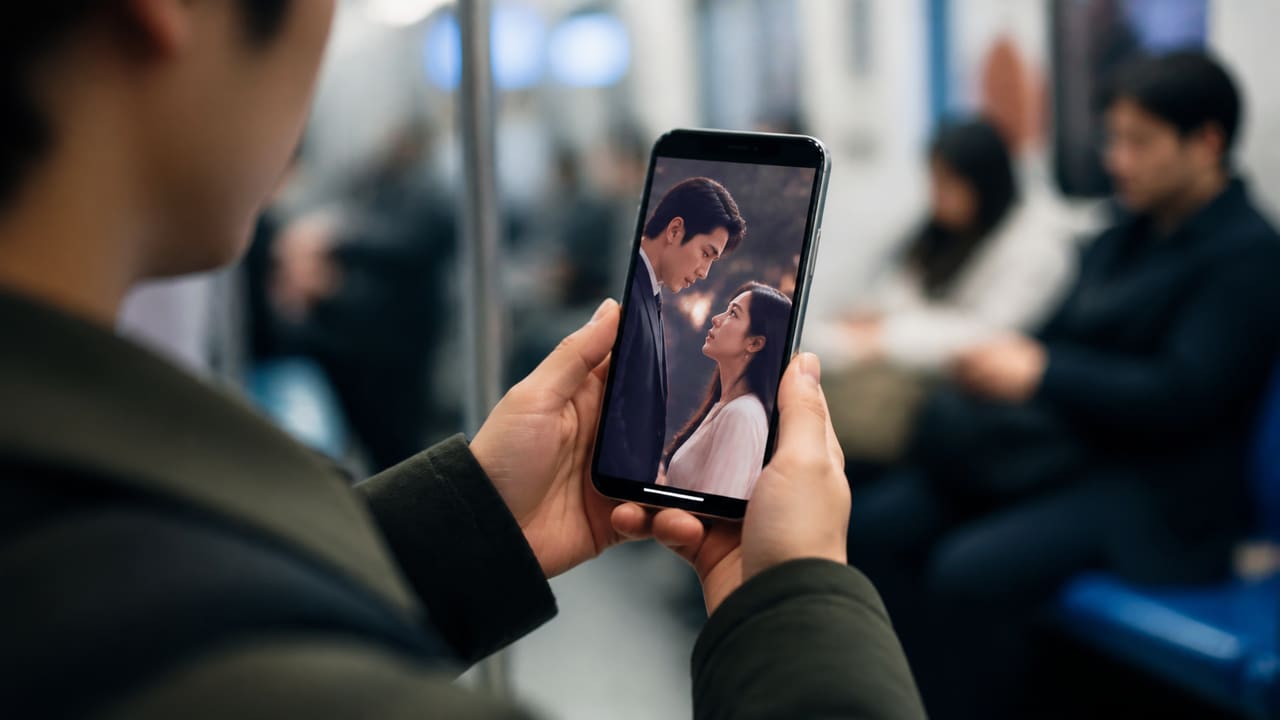
Open a vertical-screen short-drama app and betrayal, amnesia, and mistaken identity may already have happened in the first minute. The camera stops at the most tense moment; the next episode is free, while later episodes require waiting, watching an advertisement, or paying to unlock. Viewers who intended to watch for a few minutes soon reach episode ten.
This kind of “micro-drama” is not an ordinary television series randomly cut shorter. It has its own writing, production methods, and business model, and Chinese companies have taken it overseas. Actors and stories can be fully localized, while the pacing design preserves experience accumulated by China’s short-drama industry.
Every Episode Must Pay Off Quickly
Traditional television can spend a whole episode introducing characters; micro-dramas do not have that patience. Characters often meet a clear crisis at the opening, with identity and goals explained in a few lines, followed by constant small reversals.
These stories like fake heirs, contract marriages, revenge, and hidden identities not simply because audiences love clichés, but because familiar frameworks reduce explanation time. Viewers understand the conflict at a glance, leaving their attention for what will happen next.
The cliffhanger at the end of each episode is especially important. A secret is about to be revealed, an important person has just opened the door, or the protagonist is ready to fight back—and the image stops there. The decision to “watch one more minute” feels small; repeated dozens of times, it becomes a complete viewing session.
Vertical Screens Change Acting and Camera Work
Vertical phone screens suit close-ups and do not suit slowly displaying large scenes. Micro-dramas therefore rely on expressions, dialogue, and quick cuts, with conflict usually taking place in a tight space. Actors’ emotions are more direct than in ordinary screen drama, while clothes and props must make identity instantly clear.
Vertical viewing also makes watching discreet and fragmented. A viewer can watch an episode while commuting, waiting in line, or before bed, without turning on a television or setting aside forty minutes. It uses the same screen as short videos, but continuous plot keeps viewers there longer.
How Does the Chinese Model Become a Local Story Overseas?
Early overseas products directly translated Chinese content. Later, more companies in North America, Southeast Asia, and other markets used local actors, languages, and everyday settings. Chinese teams provide script structures, advertising experience, and app operations, while local teams adjust family relationships, occupations, and aesthetics.
This is not simple cultural export. Overseas viewers may see American wealthy families, European castles, or Southeast Asian cities, without Chinese characters. What is exported is an industrial method: test genres quickly, adjust advertising according to viewing data, and copy effective story frameworks into different markets.
By the end of 2024, overseas markets already had hundreds of related apps, and downloads and in-app purchases had grown quickly over the year. Overseas teams have also begun learning the format. Micro-dramas are shifting from a “Chinese product” into a new global competitive genre.
“Addictive” Is Both Storytelling and Payment Design
Short-drama platforms often attract viewers with the first few free episodes and place payment at a key plot point. A single charge may look small, but completing a whole drama can cost more than expected. Countdown offers, virtual coins, and daily rewards also make the real price difficult to see at a glance.
The design is popular, but it brings controversy. Exaggerated plots, repeated formulas, copyright issues, and impulse payments all require platform management. China has strengthened filing and content governance for micro-dramas, while overseas markets use their own consumer-protection and app-store rules.
The appeal of Chinese micro-dramas is not mysterious. They compress the most effective parts of serial drama into a length a phone can hold, then use data and payment points to arrange the viewing rhythm precisely. Audiences still follow familiar desires: seeing when a bad person will pay, when a secret will be revealed, and how someone who was looked down on will turn the tables. Only the speed has changed.
https://www.youtube.com/watch?v=nAZnF4LT05U
References
- Why Do Chinese Micro-Dramas Keep Overseas Audiences Scrolling? (National Radio and Television Administration, 2025) - Chinese Short Dramas Enter Global “Fragmented Time” (Xinhua, 2025) - How Are Chinese Micro-Dramas Doing Overseas? (Yangtze Evening News, 2025) - Chinese Micro-Dramas “Go Global” and Resonate Worldwide (Shenzhen Development and Reform Commission, 2025)

Peng Jinsui
I explore Chinese society, culture, travel, business, and language learning while studying Spanish and experimenting with AI and interactive products. I’m also open to helping people and organizations overseas better understand China, connect with local resources, and address practical needs.
Peng Jinsui